


Napa Valley
Napa Valley is California's crown jewel of wine country, a sun-drenched stretch of rolling vineyards and world-class estates nestled between the Mayacamas and Vaca mountain ranges just 50 miles north of San Francisco. Home to over 400 wineries — from storied names like Opus One and Stag's Leap to intimate boutique producers — it offers an unparalleled tasting experience alongside Michelin-starred dining and luxurious retreats. Whether you're arriving for a weekend escape or a deep dive into the art of the vine, Napa delivers effortless sophistication at every turn.
California's Wine Country
Stretching just 30 miles long and no more than 5 miles wide, Napa Valley punches well above its size. This slender corridor of vine-laced hillsides and valley floor estates has become synonymous with American fine wine — a destination that draws more than 3.5 million visitors each year and rivals the great wine regions of France and Italy in both prestige and ambition.
The valley's winemaking roots date to the 1840s, when the first vines were planted by George Yount, a fur trapper who settled near present-day Yountville. Commercial wine production followed in the 1860s, and by the late 19th century Napa had established a modest regional reputation. Prohibition dealt a near-fatal blow in 1920, and it took decades for the industry to recover. The true turning point came in 1976, at the now-legendary "Judgment of Paris" blind tasting, where a Napa Cabernet Sauvignon from Stag's Leap Wine Cellars and a Chardonnay from Chateau Montelena outscored top Bordeaux and Burgundy wines in front of French judges — sending shockwaves through the wine world and putting Napa permanently on the global map. Today, the valley is home to over 400 wineries, dozens of Michelin-starred restaurants, and a hospitality scene that rivals any in the country.
Napa Valley runs roughly north to south along Highway 29, with the quieter Silverado Trail running parallel to the east as a scenic alternative favored by locals. The main towns are strung along this corridor, each with its own distinct character. At the southern end, the city of Napa serves as the valley's commercial hub and has undergone a dramatic culinary and cultural renaissance in recent years. Heading north, the villages of Yountville, Oakville, Rutherford, St. Helena, and Calistoga each offer their own flavor — from Yountville's extraordinary concentration of Michelin-starred dining to Calistoga's volcanic hot springs and bohemian ease at the valley's northern tip. Together they form one of the most rewarding and walkable wine country corridors in the world.
While some wineries do allow walk-ins, many require booking in advance and especially if the tasting includes a culinary component. We recommend checking each winery's website for specific details. There are a few different wine passport programs in Napa Valley worth knowing about — the Napa Priority Wine Pass offers tasting discounts at over 75 wineries across Napa and Sonoma and is valid year-round, while the Napa Vine Pass (from Vines of Napa) is a sommelier-curated passport granting exclusive access and discounts at 23 hand-picked family-owned boutique wineries across all 10 of Napa Valley's AVAs, valid throughout 2026 with $10 per pass donated to UCSF Cancer Research.
The most convenient gateways are San Francisco International Airport (SFO) and Oakland International Airport (OAK), both roughly 60–75 miles from downtown Napa. Sacramento International Airport (SMF) is another solid option, particularly for visitors heading to the northern valley. From SFO or OAK, the drive north takes approximately 1 to 1.5 hours depending on Bay Area traffic — plan accordingly, as the Friday afternoon crawl out of San Francisco can add significant time. A number of luxury car services and shared shuttles also run direct transfers from all three airports into the valley.
A rental car remains the most practical way to explore the valley, and most visitors pick one up at the airport. Highway 29 is the main artery, but the Silverado Trail is highly recommended for its scenery and lighter traffic. For those who prefer not to drive — a wise choice given the nature of wine tasting — Uber and Lyft operate throughout the valley, though availability can be limited in more remote areas. Private wine tour operators and guided minibus services offer curated day itineraries with transportation included. A fantastic and underrated option is a designated driver service like Wine Tasting Driver, where a professional driver takes the wheel of your own rental car and navigates you between wineries at your own pace — we used them on our visit and can't recommend them enough. Private wine tour operators and guided minibus services also offer curated day itineraries with transportation included, but can be very pricey. Additionally, if staying in one of the more populated towns, many attractions are easily reachable on foot or by bicycle.

Napa
Once considered little more than a pass-through on the way to the more glamorous towns up-valley, the city of Napa has quietly reinvented itself into a destination worth lingering in. The revitalized downtown — anchored by the Oxbow Public Market, a buzzing stretch of chef-driven restaurants, wine bars, and artisan producers along the Napa River — now holds its own against anything further north. It's the most affordable and accessible base in the valley, with a grounded, locals-first energy that feels refreshingly unpretentious.
Napa: Things To Do And See
Beyond its thriving dining and wine bar scene, the city of Napa offers a surprisingly diverse range of experiences — from browsing the artisan food stalls and tasting rooms of the Oxbow Public Market to catching live music and rotating exhibitions at the downtown arts venues. The Napa River Ecological Reserve and nearby parks make for easy outdoor escapes, while the Historic Napa Mill and surrounding riverfront district reward an unhurried afternoon on foot. It's a town that pairs equally well with a packed itinerary or a slow, wandering day with no plan at all.






Napa: Where To Drink Wine
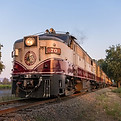
The city of Napa and its surrounding hillsides serve as an often-underestimated base for exceptional wine tasting, with world-class estates ranging from sparkling wine terraces in the cool southern Carneros AVA to dramatic cave tastings and architecturally stunning tasting rooms along the Silverado Trail. Whether you're exploring the boutique urban tasting rooms of revitalized downtown Napa or venturing into the rugged eastern hills to discover hidden hillside gems, the wineries in and around the city offer an extraordinary range of experiences — sometimes with far fewer crowds than the more trafficked towns up-valley.




Napa: Where To Eat
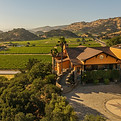
The city of Napa has undergone a remarkable culinary transformation over the past decade, evolving from a pass-through hub into a destination dining scene in its own right — one that offers more global variety and a livelier after-dark energy than anywhere else in the valley, with options ranging from Michelin-starred restaurants to beloved anchors. Compared to the rest of Napa Valley, downtown Napa stands out for its international breadth, with Thai, Japanese, Spanish tapas, French bistro, and Vietnamese options all within easy walking distance in a relatively compact downtown area.





Napa: Where To Stay
The city of Napa offers a surprisingly diverse and walkable lodging landscape, ranging from charming Victorian bed-and-breakfasts to sleek full-service hotels. Unlike the quieter towns up-valley, staying in downtown Napa means easy walking access to over 60 tasting rooms, world-class restaurants, the Oxbow Public Market, and a lively after-hours bar and music scene, making it the most convenient and cost-effective base for first-time visitors looking to experience the full breadth of wine country.


Yountville
Nestled in the heart of Napa Valley just nine miles north of the city of Napa, Yountville is a compact, walkable village of roughly 3,000 residents that punches far above its weight as one of America's most celebrated culinary destinations — home to more Michelin stars per capita than virtually anywhere else in the world, anchored by Thomas Keller's legendary three-star French Laundry. Beyond the dining, the town enchants visitors with a refined, unhurried atmosphere defined by world-class tasting rooms, independent boutiques, public art installations, and the intimate luxury of properties like the Estate Yountville — all set against the backdrop of vineyard-covered hills that make it one of wine country's most idyllic addresses.
Yountville: Things To Do And See
Yountville packs a remarkable range of experiences into just 1.5 square miles, offering visitors an effortless blend of world-class dining, boutique wine tasting, outdoor art, and vineyard cycling — all within easy walking distance of one another. From sunrise hot air balloon rides drifting over the valley to leisurely afternoons exploring galleries, gardens, and chef-driven restaurants, the town rewards those who slow down and let the rhythm of wine country set the pace.


Yountville: Where To Drink Wine
Yountville sits at the center of one of Napa Valley's most coveted growing regions, with its own distinct American Viticultural Area and more than 40 wineries and tasting rooms located within just a few miles of downtown — ranging from intimate family-owned cellars and converted historic estates to sleek, design-forward tasting rooms that double as gallery spaces. The town's walkable, village-like character makes winery hopping unusually effortless here, with many tasting rooms steps from restaurants and hotels, and the Napa Valley Vine Trail offering a scenic, car-free cycling route that connects one vineyard stop to the next.




Yountville: Where To Eat
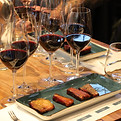
Yountville has earned a reputation as one of America's greatest dining destinations, boasting more Michelin stars per capita than virtually anywhere else in the world — a remarkable achievement for a village of just over 3,000 people, and a reflection of the extraordinary concentration of culinary talent and world-class ingredients that wine country makes possible. From casual wine bars and sun-drenched patios to destination tasting menus and legendary fine dining institutions, the dining scene here spans the full spectrum of ambition and occasion, united by a shared commitment to seasonal California cooking, impeccable hospitality, and wines poured just miles from where the grapes were grown.




Yountville: Where To Stay
Yountville punches well above its weight when it comes to accommodations, offering a concentrated collection of some of Napa Valley's most celebrated luxury hotels and intimate boutique properties — all within easy walking distance of the town's world-class restaurants, tasting rooms, and art walk. From sprawling resort estates with full-service spas, vineyard-view pools, and Michelin-starred dining to thoughtfully appointed boutique hotels and romantic bed-and-breakfasts tucked among the vines, the lodging options here are as carefully curated as the dining scene, making Yountville the most effortlessly indulgent base camp in all of wine country.




Oakville
Tucked between Yountville and Rutherford along the valley floor, Oakville is one of Napa Valley's most storied and revered wine-growing appellations — a compact stretch of Highway 29 where some of the world's most celebrated Cabernet Sauvignon vineyards thrive in the distinctive, well-drained soils of the Oakville bench, producing wines of extraordinary concentration and elegance that have placed this tiny community on the map of great wine regions worldwide. Though Oakville has little in the way of a traditional town center, it draws devoted pilgrims to its legendary estates and tasting rooms, and its beloved Oakville Grocery — a Napa Valley institution since 1881 — remains one of the most iconic pit stops in all of wine country for an artisan sandwich, local provisions, and a bottle of something exceptional.
Oakville: Where To Drink Wine
Oakville's reputation rests squarely on Cabernet Sauvignon, and for good reason — the appellation's unique combination of well-drained alluvial soils, a long growing season moderated by afternoon breezes from the San Pablo Bay, and the warmth radiating from the valley floor conspires to produce Cabernets of legendary depth, structure, and age-worthiness that rival the great wines of Bordeaux. From small-production boutique estates to some of the most iconic and collected labels in American wine history, the wineries here span the full spectrum of style and prestige, united by a shared commitment to estate-grown fruit and a terroir so distinctive that even a single row of vines on the famous Oakville bench can yield something unforgettable.


Rutherford
Rutherford is a quiet, unhurried stretch of Napa Valley tucked between Oakville to the south and St. Helena to the north, where the landscape is dominated almost entirely by vines, and the only reason most visitors slow down is the unmistakable pull of some of the valley's most legendary winery gates lining both sides of Highway 29. It may lack the restaurants and boutiques of Yountville or the bustle of downtown Napa, but what Rutherford offers instead is something rarer — an unfiltered sense of wine country as it has always been, where the land does the talking and the wines speak for themselves.
Rutherford: Where To Drink Wine
Rutherford occupies a hallowed stretch of Napa Valley's heart, where a unique combination of deep, well-drained alluvial soils, warm afternoons, and cool evening breezes conspires to produce Cabernet Sauvignon of a distinctive character so recognizable that winemakers long ago coined the term "Rutherford Dust" to describe the silky, earthy quality and supple tannins that seem to emerge from this particular patch of valley floor nowhere else in the world. Home to some of California's oldest and most storied wine estates — many of them farming the same vines for generations — the Rutherford AVA delivers wines of extraordinary complexity and age-worthiness, with a sense of place so defined that a single sip can transport you to the sun-warmed benchland from which every bottle was born.


Rutherford: Where To Eat
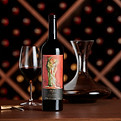
Rutherford is not a dining destination in the traditional sense — there are no walkable restaurant rows or bustling main streets here — but what the area lacks in quantity it more than makes up for in quality and character, with a handful of exceptional culinary experiences woven directly into the winery and resort landscape itself. From estate vineyard lunches and chef-driven tasting pairings at world-class wineries to the celebrated farm-to-table dining at Auberge du Soleil — one of the most iconic restaurants in all of wine country — Rutherford rewards those who seek out its table with meals that feel inseparable from the vines, the soil, and the storied land surrounding them.


Rutherford: Where To Stay
Rutherford's lodging scene is intimate by design — a handful of exceptional properties set directly amid the vines rather than a sprawling hotel corridor — offering travelers the rare experience of waking up at the heart of one of the world's most celebrated wine appellations, often surrounded by the very vineyards that produce some of Napa Valley's most legendary Cabernet Sauvignons. From one of California's most iconic hillside resort destinations to charming, vineyard-adjacent inns that embody the quiet luxury of wine country at its most authentic, staying in Rutherford means trading the bustle of downtown for something far more restorative — a slower, more immersive rhythm where the vines are always just outside your window.



St. Helena
Perched at the northern end of Napa Valley's storied core, St. Helena is the valley's most refined and architecturally charming town — a compact Main Street of handsome 19th-century stone buildings lined with world-class restaurants, independent boutiques, art galleries, and tasting rooms that collectively make it feel less like a tourist destination and more like a European village that happens to sit among some of the world's greatest vineyards. With legendary wine estates stretching in every direction, the Culinary Institute of America at Greystone anchoring its culinary identity, and a quieter, more unhurried pace than the towns to the south, St. Helena is where wine country visitors come to slow down, eat exceptionally well, and discover why so many people who arrive for a weekend find themselves dreaming about staying forever.
St. Helena: Where To Drink Wine
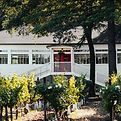
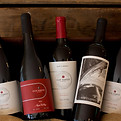
St. Helena's wines are shaped by a distinct microclimate and soil profile that set them apart from neighboring appellations — warmer days and more moderate cooling in the evenings than the southern end of the valley allow grapes to ripen more fully and consistently, producing Cabernet Sauvignons of exceptional richness, depth, and structure, with the kind of ripe dark fruit, firm tannins, and layered complexity that collectors have sought out for generations. The combination of well-drained alluvial soils on the valley floor, volcanic and rocky hillside terrain on the flanking mountains, and the moderating influence of the nearby Napa River creates a diversity of growing conditions within a remarkably compact area.




St. Helena: Where To Eat
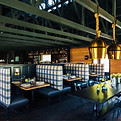
St. Helena's dining scene strikes a rare and enviable balance between culinary ambition and genuine warmth — a Main Street lined with Michelin-starred restaurants, beloved neighborhood bistros, celebrated bakeries, and farm-driven kitchens that collectively make it one of the most compelling places to eat in California, all within a walkable stretch of historic stone-building storefronts that feels more like a European village than a tourist destination. What sets St. Helena apart from the rest of the valley is the authenticity running through every meal — the ingredients come from farms and ranches just down the road, the winemakers eating at the next table often made the wine in your glass, and the cooking reflects a deep, unhurried reverence for the land that gives this corner of Napa Valley its singular character.




St. Helena: Where To Stay
Staying in St. Helena feels like settling into the quiet heart of wine country — a slower, more residential rhythm than the towns to the south, where mornings begin with a walk to the bakery, afternoons unfold among legendary vineyard estates, and evenings end with exceptional meals on candlelit patios just steps from your door. The accommodations here tend toward the intimate and the refined — historic inns, boutique hideaways, and resort estates tucked among the vines — offering a sense of genuine escape that feels less like a hotel stay and more like temporarily inhabiting the most beautiful version of wine country life.


Calistoga
Perched at the northern tip of Napa Valley, Calistoga is the valley's most distinctly bohemian and geologically dramatic town — a place where volcanic hot springs bubble just beneath the surface, world-famous mud baths and thermal spas have drawn weary travelers since the 1860s, and the pace of life feels unhurried in a way that even the rest of wine country can't quite match. With its charming, Old West-flavored main street lined with independent boutiques, farm-to-table restaurants, and tasting rooms, plus Old Faithful Geyser erupting just outside of town, Calistoga offers a uniquely grounded and restorative counterpoint to the polished luxury of the valley to the south — a place to truly slow down, soak in, and stay a little longer than planned.
Calistoga: Things To Do And See
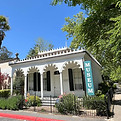
Calistoga's defining draw is its legendary geothermal wellness scene — volcanic mud baths, mineral soaking pools, and world-class spas built atop natural hot springs make it the most unique spa destination in California — but the town also delivers an impressive range of outdoor adventures, from hot air balloon rides at sunrise and hikes through volcanic State Park terrain to boutique wine tasting and a charming main street that rewards an afternoon of aimless wandering.


Enjoy a Mud Bath
Calistoga's legendary mud bath tradition dates back to the 1860s, when the town was founded as a wellness destination — and today a range of exceptional spas tap into the same volcanic mineral springs to offer the iconic experience, from the storied Dr. Wilkinson's Backyard Resort & Mineral Springs, Calistoga's original wellness resort since 1952, to the intimate couples mud baths at Golden Haven Spa, to the serene, world-class treatment programs at Solage, Auberge Resorts Collection. Whether you're looking for a historic, no-frills soak or a fully immersive five-star wellness ritual, Calistoga's spa scene delivers an experience that is simply unlike anything else in wine country. (Of note, if you suffer from claustrophobia I would not recommend a mud bath).


Calistoga: Where To Drink Wine
Calistoga sits at the warmest end of Napa Valley, where the narrowing of the valley floor, the protective ring of surrounding mountains, and the reduced marine influence from the south conspire to produce some of the boldest, most concentrated wines in the appellation — particularly Cabernet Sauvignon and Zinfandel of remarkable depth, power, and spice that reflect the volcanic soils and intense heat of this northernmost growing zone. The wines here tend toward the full-bodied and opulent, with a distinctive mineral character rooted in the region's unique geothermal and volcanic geology, and the best examples possess the kind of structure and richness that reward extended aging in the cellar.


Calistoga: Where To Eat
Calistoga's dining scene reflects the town's unpretentious, village-like spirit — a compact but surprisingly diverse stretch of restaurants along Lincoln Avenue and beyond, where farm-to-table California cooking, wood-fired pizza, Mexican taquerias, and craft brewery pubs sit comfortably side by side without a hint of the white-tablecloth formality found in the towns to the south. The food here tends to feel more locally rooted and relaxed than elsewhere in the valley, with menus built around the same volcanic-soil produce and small-farm ingredients that define the surrounding wine country, served in settings that invite you to linger, refill your glass, and feel like a regular rather than a tourist.


Calistoga: Where To Stay
Calistoga's lodging scene is defined by a spirit of relaxed, geothermal-infused wellness that you won't find anywhere else in wine country — from historic mineral spring resorts where soaking in a naturally heated pool is simply part of checking in, to boutique inns and intimate bed-and-breakfasts that feel more like staying in a well-appointed private home than a traditional hotel. The properties here tend to be smaller, more personal, and more rooted in the town's distinctive character than the grand resort estates further south, attracting travelers who come specifically to slow down, detox from the everyday, and leave feeling genuinely restored rather than simply well-fed.


